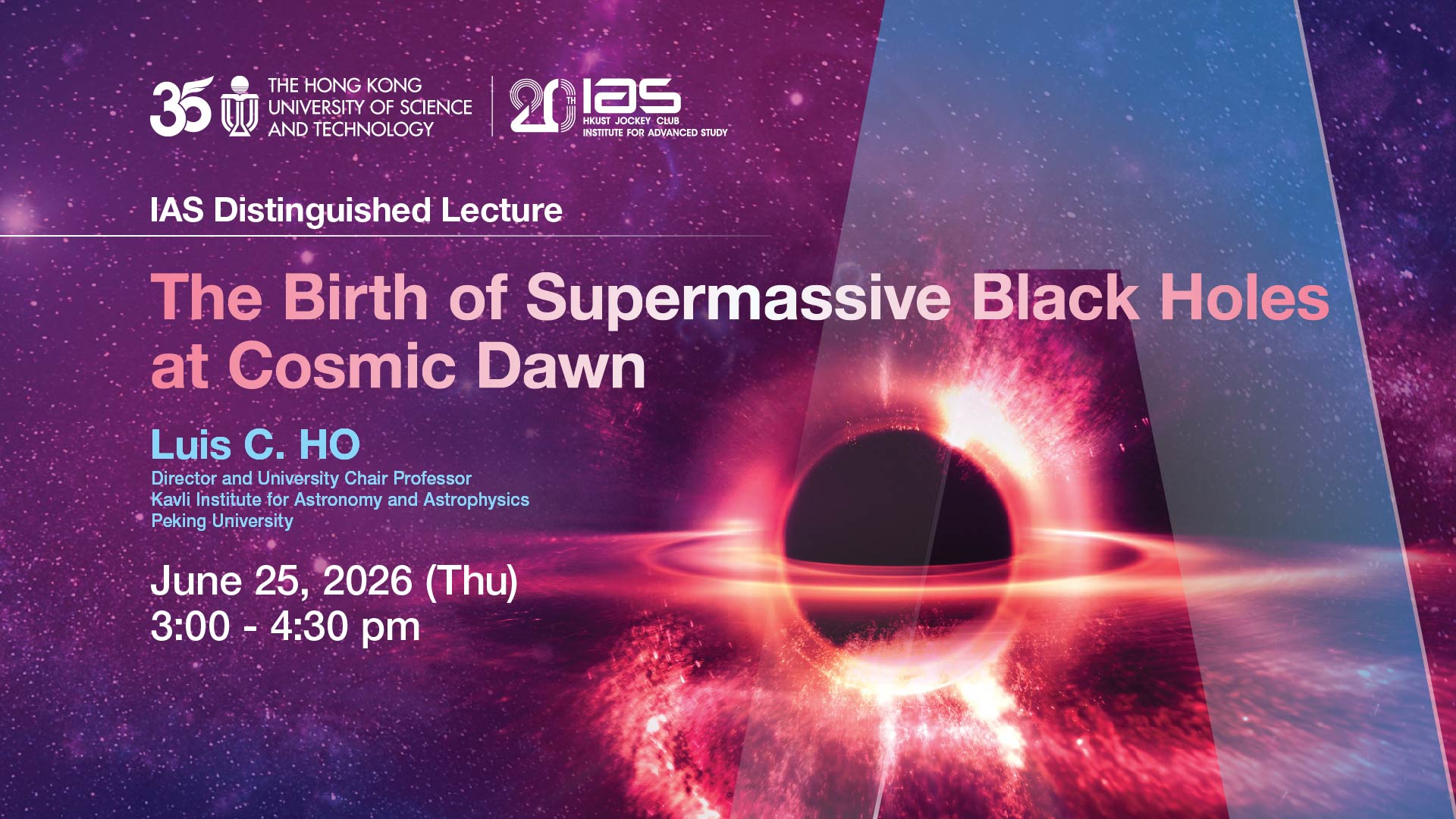
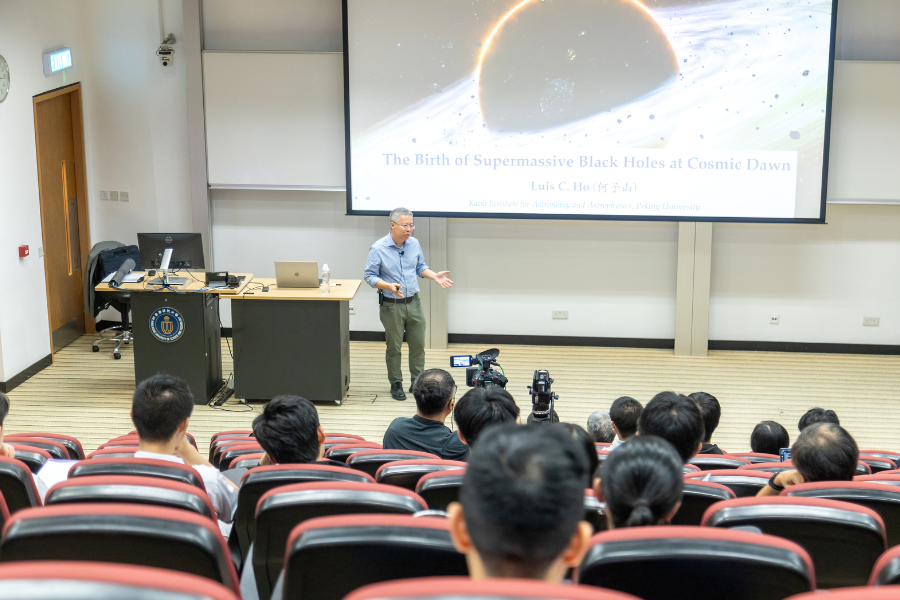
The Birth of Supermassive Black Holes at Cosmic Dawn


Abstract
Supermassive black holes are ubiquitous in the nearby Universe. Their lifecycle appears to be closely connected to the evolution of galaxies. How and when did these mysterious objects form? What was the first generation of black hole seeds? How did they grow quickly enough to power the most distant quasars? And how precisely do black holes co-evolve with galaxies? The speaker will summarize the demographics of central black holes in the local Universe and recent discoveries made with the James Webb Space Telescope that offer surprising, new insights into the earliest phases of black hole formation during the first billion years of cosmic history. He will outline what we know and the much else that still remains uncertain in this exciting new field.
About the Speaker
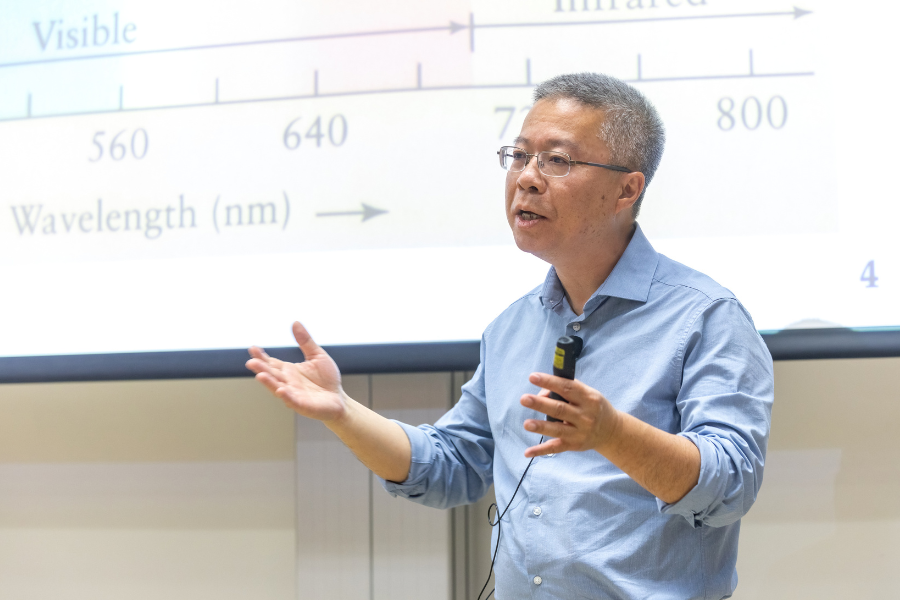
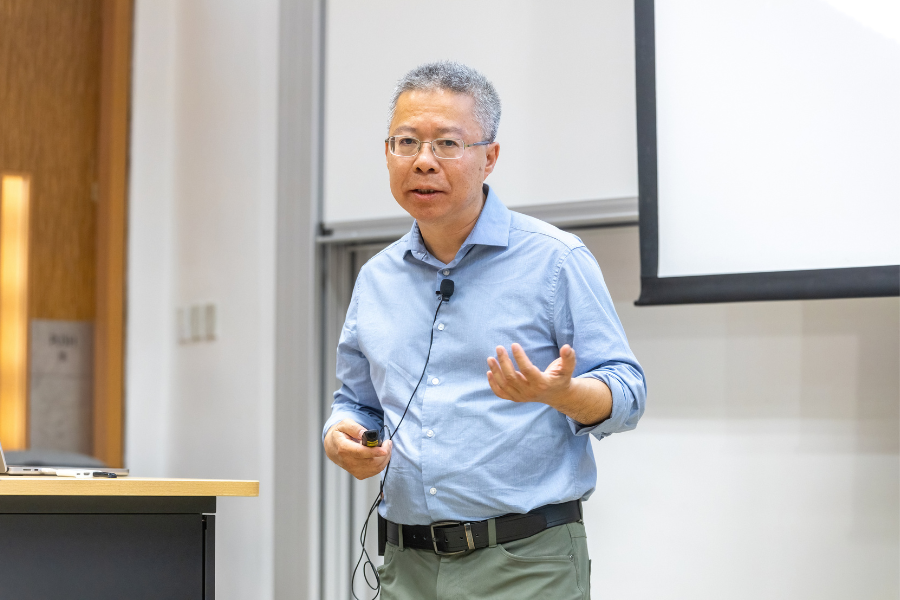
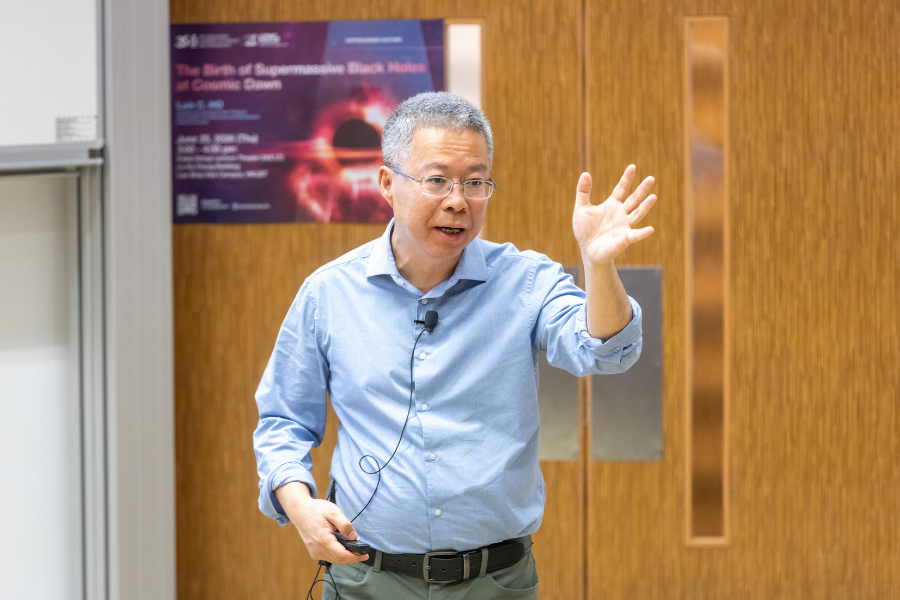
Prof. Luis C. HO obtained his undergraduate degree in astronomy and physics from Harvard University in 1990, followed by a Ph.D. in astronomy from the University of California, Berkeley, in 1995. He joined the scientific staff of the Observatories of the Carnegie Institution for Science in 1998. In 2014, he relocated to Beijing to serve as Director of the Kavli Institute for Astronomy and Astrophysics at Peking University, where he holds the position of University Chair Professor. He is currently a Deputy Editor of The Astrophysical Journal Letters. He is a Fellow of the American Astronomical Society and a Member of the American Academy of Arts and Sciences.
Prof. Ho is an authority on the observational properties and physics of galactic nuclei, the energetic processes that occur when matter falls onto a supermassive black hole, and a broad range of high-energy phenomena that emanate when energy is returned to the large-scale environment of the galaxy. He has introduced a suite of novel experimental methods for measuring fundamental physical properties of galaxies and then applied them systematically to statistical samples of galaxies to address forefront problems regarding the coevolution of supermassive black holes and galaxies. His work appears in over 900 refereed papers, which have more 91,000 citations (H-index 133).
Apart from research and mentoring numerous students and postdocs worldwide, Prof. Ho has been deeply involved in guiding the development of astronomy in China, including planning current and future ground-based and space-based telescopes and instruments, such as the upcoming Chinese Space Station Telescope.
For Attendees' Attention
Seating is on a first come, first served basis.