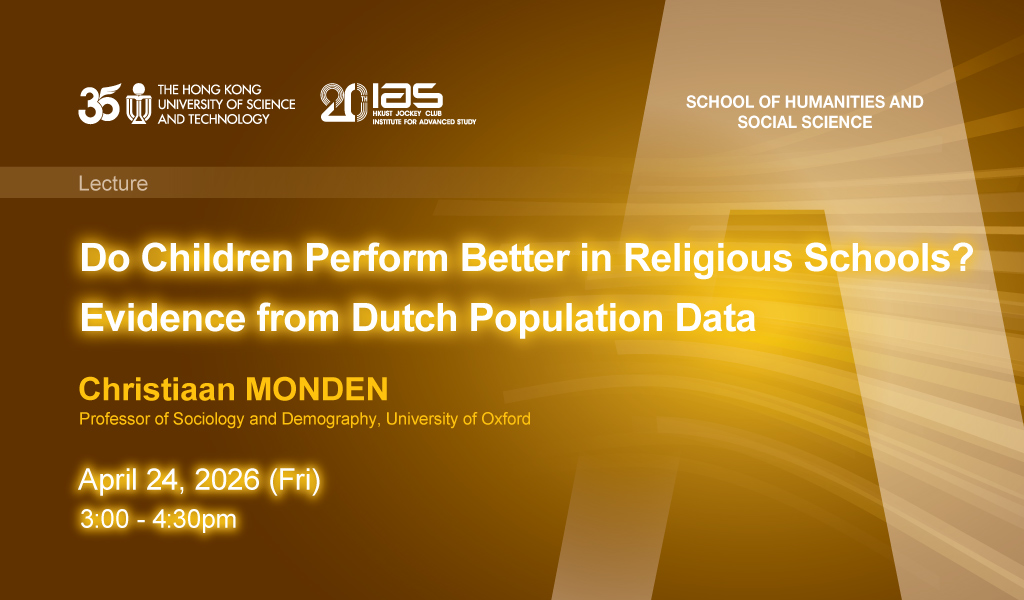
Do Children Perform Better in Religious Schools? Evidence from Dutch Population Data


Abstract
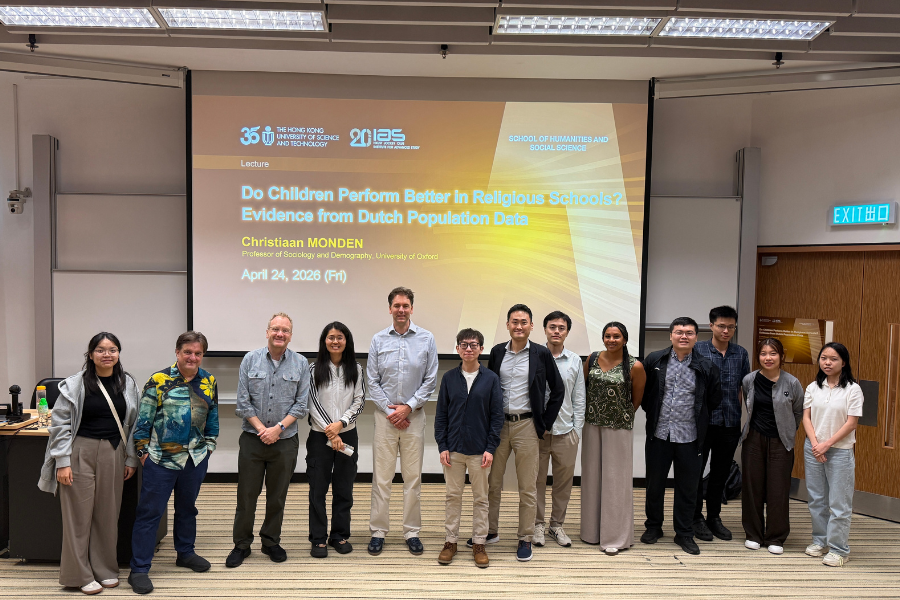
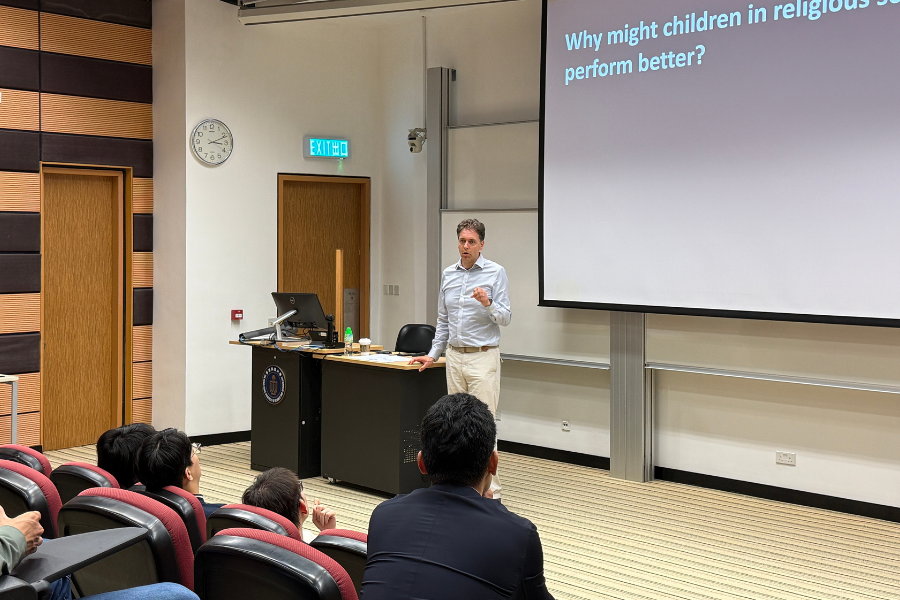
Religious schools enjoy a high academic reputation among parents in many societies. Previous studies that assessed the effect of religious schools mostly focused on Catholic schools and were conducted in countries where religious schools are private or charge fees and set admission criteria. As a result, the effect of religious schooling could not be separated from the effect of private schooling. The speaker and his research team contribute to the literature by studying the effect of six most prominent religious school denominations in the Netherlands, a country in which both public and religious schools have been publicly funded since 1917, schooling is free of charge and admission is independent of the child’s religious or ideological background. They use Dutch data that include the entire population of children born between 1999 and 2007. Combining postcode fixed effects models with treatment effect bounds, the speaker and his research team find that children in religious schools outperform children in public schools on a high-stakes standardized test in primary education. The benefits of primary religious schooling were largest for children in Orthodox Protestant, Islamic, and Hindu schools, which mostly attract children from disadvantaged socioeconomic background. However, the influence of religious schooling fades out by the end of secondary education.
About the Speaker
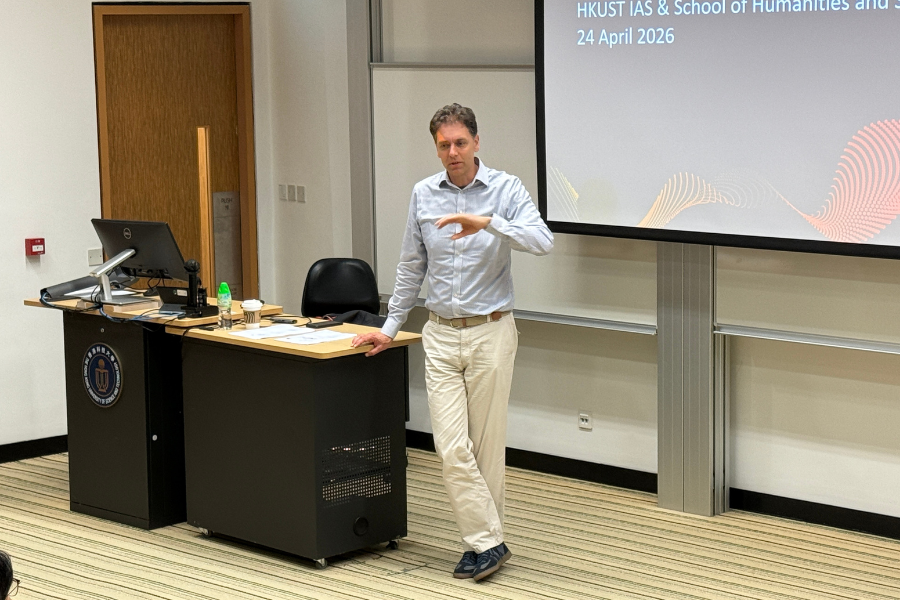
Prof. Christiaan MONDEN obtained his undergraduate degree from Utrecht University and his PhD from Radboud University, both in the Netherlands. He is Professor of Sociology and Demography at the Department of Sociology at the University of Oxford. He focuses on sociological and demographic questions related to family, health & mortality, and social inequality. He is interested in how societies differ in who lives with whom, who receives how much of the good (things in) life, and how (mis)fortune in life relates to family background. He recently led FamSizeMatters, an ERC-funded project on the link between family size and composition and the (reproduction of) social inequalities. Education, as a central source of stratification, is a focal point in much of his work. Current projects include studies of religious education, the partner choice of children from ethnically mixed marriages, birth-order effects on intermarriage, and the effect of offspring’s education on parental longevity. Prof. Monden also has a research line on the trends in twin fertility across time and populations. Among many service roles, Prof. Monden has served as Head of Department, Director of Graduate Studies, and Associate Editor of the European Sociological Review.
For Attendees' Attention
Seating is on a first come, first served basis.