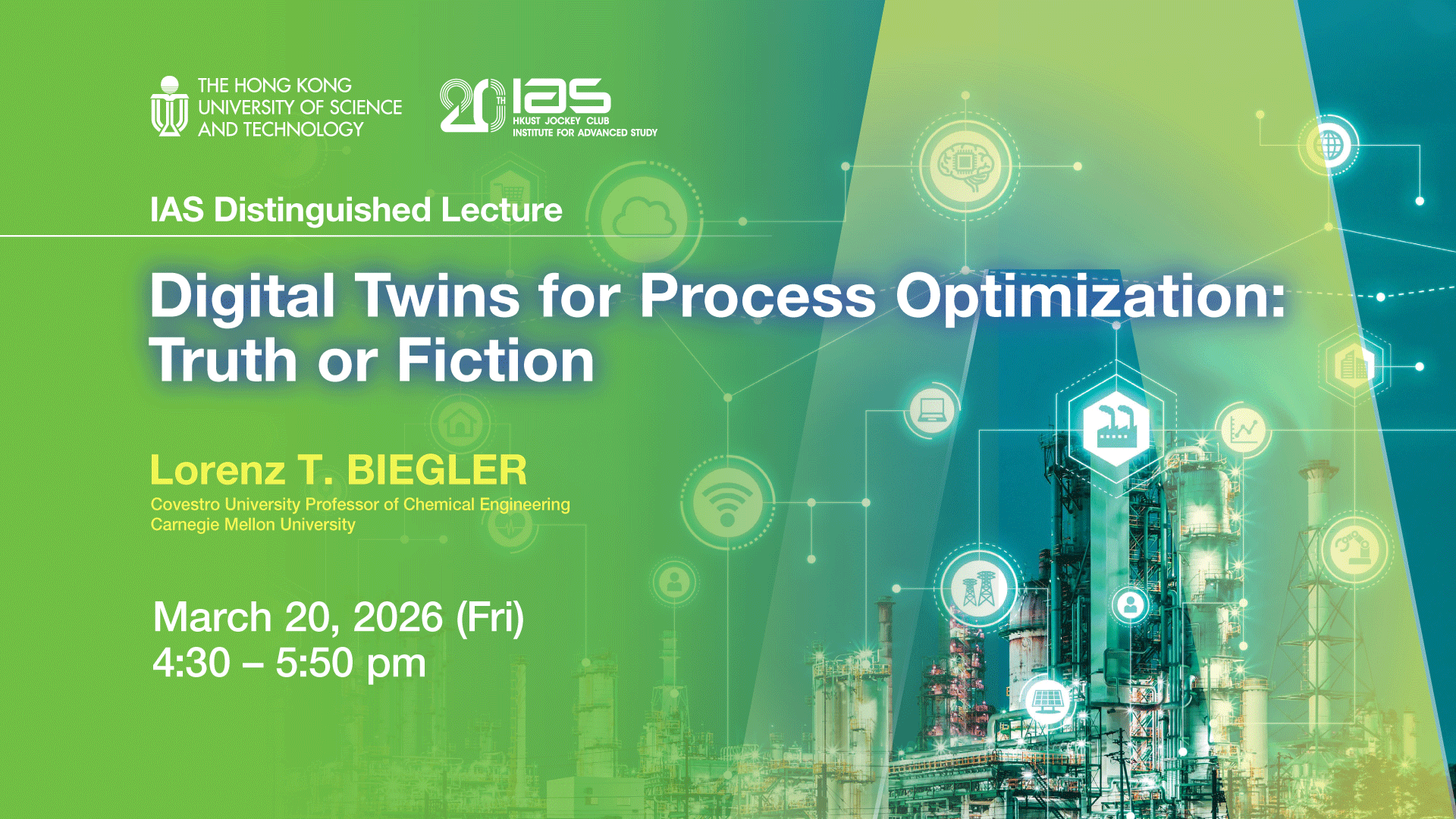
Digital Twins for Process Optimization: Truth or Fiction


Abstract
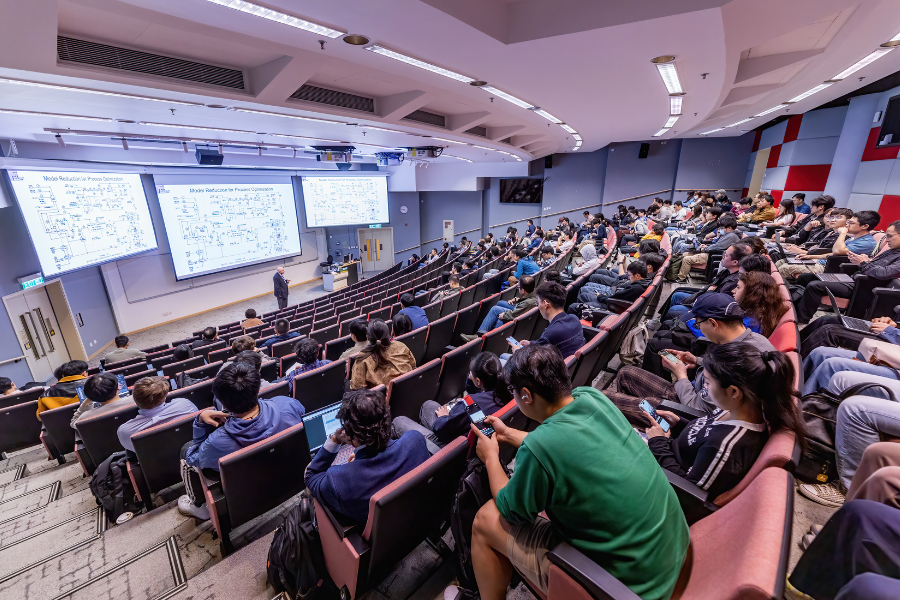
Recent developments in efficient, large-scale nonlinear optimization strategies have had significant impacts on the design and operation of engineering systems with equationoriented (EO) models. On the other hand, rigorous first-principle (i.e., black-box 'truth') models may be difficult to incorporate directly within this optimization framework. Instead, black-box models are often substituted by lower fidelity surrogate models, which take many forms, including regression-based models, physics-based shortcut models, or machine-learning models. While these models may lead to accurate interpolations of the truth model, they have limited predictive behavior, which may seriously compromise the optimal solution of the truth model. To address these challenges with surrogate model optimization, the speaker and his research team developed and analyzed Trust Region Filter (TRF), which combines surrogate model optimization with intermittent sampling of truth models. The TRF approach combines efficient solution strategies with minimal recourse to truth model evaluations and leads to guaranteed convergence to the truth model optimum. This survey paper provides a perspective on the conceptual development and evolution of the TRF method along with a review of applications that demonstrate the effectiveness of the TRF approach. In addition, several process optimization case studies are presented with embedded PDE-based models for advanced power plants, CO2 capture processes, and the synthesis of process networks with detailed finite-element equipment models.
About the Speaker
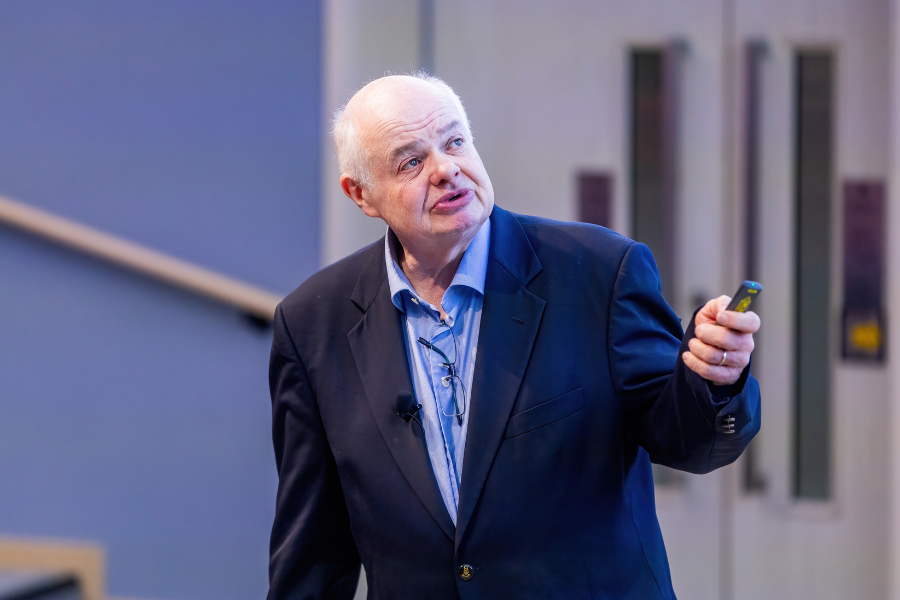
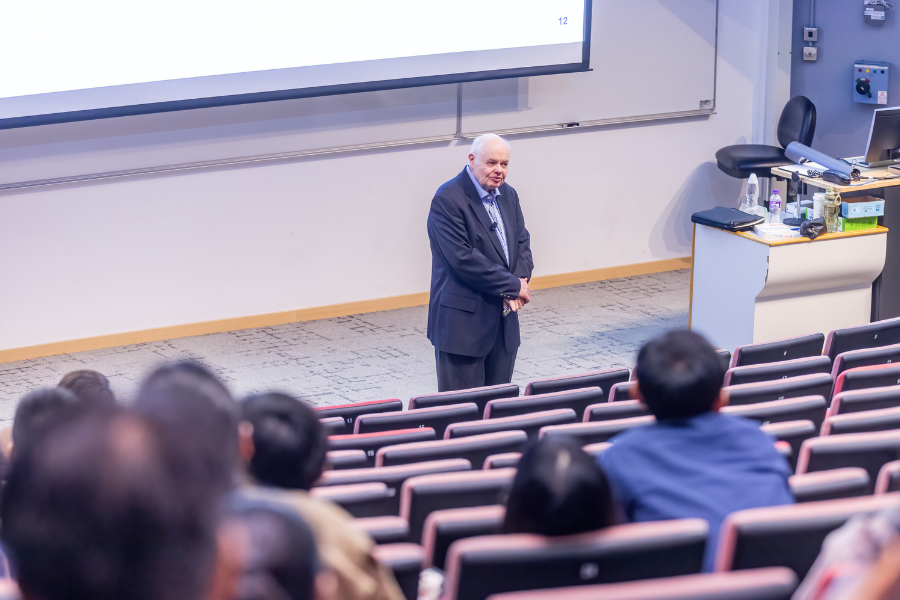
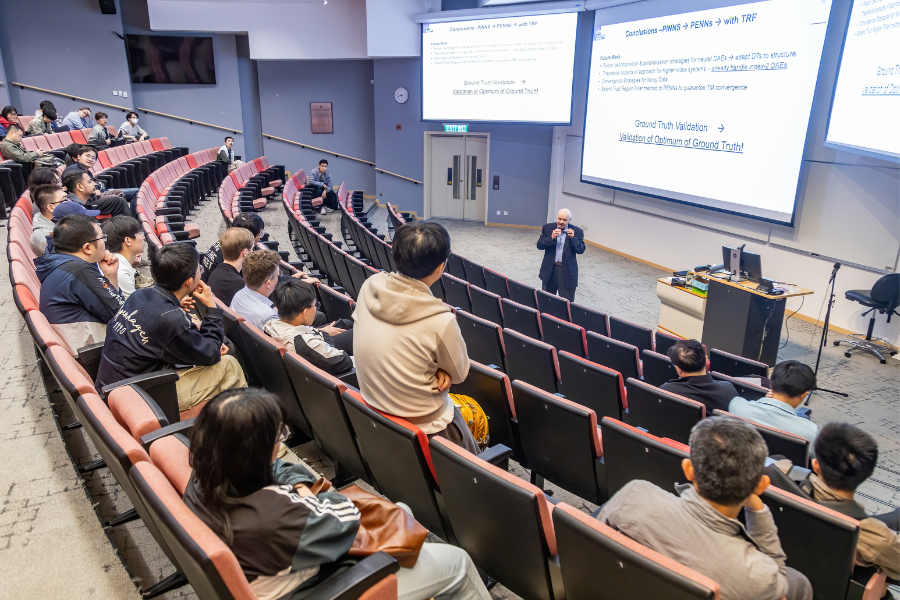
Prof. Lorenz T. BIEGLER is the Covestro University Professor of Chemical Engineering at Carnegie Mellon University, which he joined after receiving his PhD from the University of Wisconsin in 1981. His research interests lie in computer-aided process engineering (CAPE) and include flowsheet optimization, optimization of systems of differential and algebraic equations, reactor network synthesis, and algorithms for constrained, nonlinear process control.
Prof. Biegler has been an institute fellow at the National Energy Technology Lab, a visiting scholar at Northwestern University and Lehigh University, a scientist-in-residence at Argonne and Sandia National Labs, a distinguished faculty visitor at the University of Alberta, a Chang Jiang scholar at Zhejiang University, a Gambrinus Fellow at the University of Dortmund, a Fulbright Fellow at the University of Heidelberg, a Distinguished Jubilee Lecturer at IIT-Bombay, and the Hougen Visiting Professor at the University of Wisconsin. He is an author on more than 400 archival publications and two books, and has been invited to give numerous presentations at national and international conferences.
Prof. Biegler has been recognized by several awards, including the Sargent Medal (given by the Institution of Chemical Engineers), the Walker Research Award, the Lewis Education Award and Computers in Chemical Engineering Awards (given by the American Institute of Chemical Engineers, AIChE), the Curtis McGraw Research Award, the CACHE Computing Award and the Chemical Engineering Lecturer Award (given by the American Society for Engineering Education), the INFORMS Computing Prize, and an honorary doctorate in engineering sciences from the Technical University of Berlin. In 2021, he was awarded the Long-Term Achievements Award in Computer-Aided Process Engineering by the European Federation of Chemical Engineering. He is a Fellow of AIChE, the International Federation of Automatic Control and the Society for Industrial and Applied Mathematics (SIAM), and is a member of the US National Academy of Engineering.
For Attendees' Attention
Seating is on a first come, first served basis.