Conservation Evolutionary Biology of Flagship Species in China





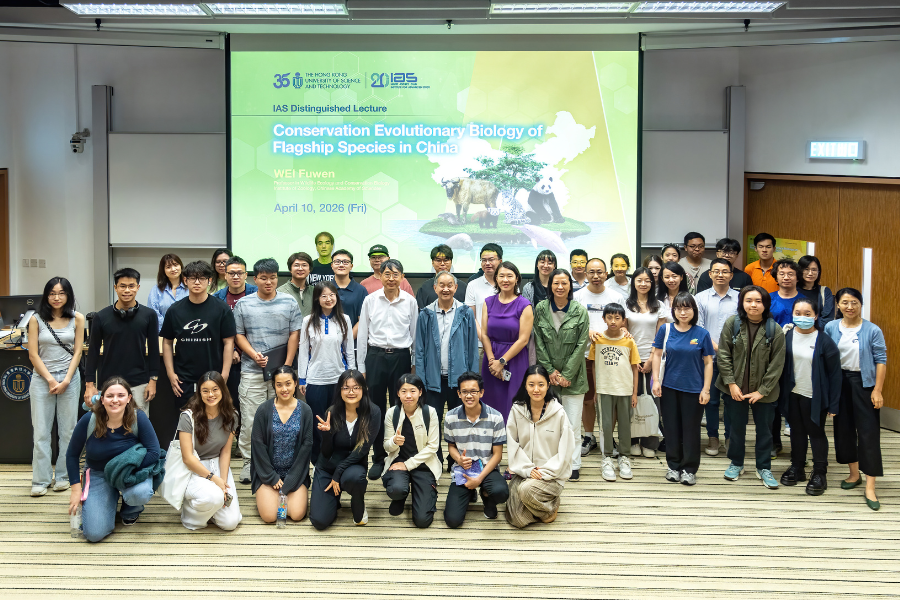
Abstract
Biodiversity is the product of long-term evolutionary processes, and effective conservation requires understanding both the ecological and evolutionary mechanisms underlying species persistence and endangerment. This lecture introduces the framework of conservation evolutionary biology, which integrates evolutionary theory, genomics, and ecological research to address the fundamental causes of biodiversity loss and guide evidence-based conservation strategies.
Focusing on flagship and umbrella species in China—such as the Giant Panda, Red Panda, Snow Leopard, and Takin—the presentation highlights how advances in population genomics, comparative genomics, and metagenomics reveal the evolutionary history, adaptive mechanisms, and demographic dynamics of threatened wildlife. Case studies illustrate how genomic analyses can uncover population divergence, local adaptation, and genetic mechanisms underlying key traits, including dietary specialization, metabolism, and phenotypic variation. The talk also explores the emerging role of gut microbiomes in host adaptation and conservation management. By connecting evolutionary history with present-day threats and future conservation actions, conservation evolutionary biology provides powerful tools for protecting biodiversity on evolutionary timescales. These approaches offer new insights into species adaptation, inform conservation planning, and contribute to more effective strategies for safeguarding threatened wildlife and ecosystems in a rapidly changing world.
About the Speaker
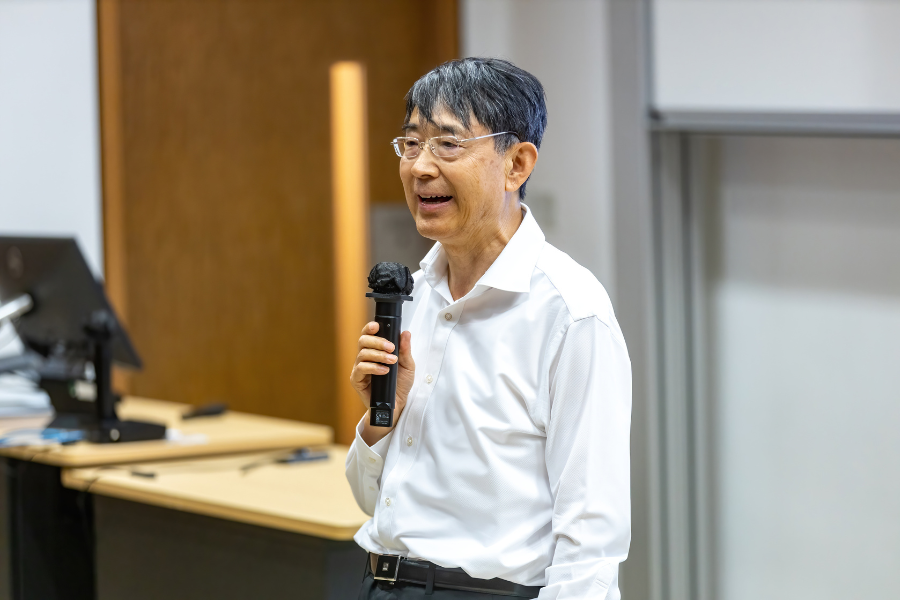
Prof. WEI Fuwen is a Professor of Wildlife Ecology and Conservation Biology at the Institute of Zoology, Chinese Academy of Sciences. He is an internationally recognized conservation biologist and a pioneer in the emerging fields of conservation genomics and conservation metagenomics. His research focuses on understanding the mechanisms of species endangerment, adaptive evolution, and biodiversity conservation, with particular emphasis on integrating ecological, evolutionary, and genomic approaches.
Prof. Wei's work has significantly advanced scientific understanding of endangered species conservation. His studies on the Giant Panda revealed how this species adapted to a specialized bamboo diet through coordinated changes in morphology, behavior, physiology, genetics, and gut microbiota. He has also investigated how habitat fragmentation threatens small and isolated populations, providing scientific foundations for conservation strategies such as habitat corridor construction and reintroduction programs. In recent years, he has expanded his research to marine biodiversity, particularly coral reef ecosystems in the South China Sea, where his work has highlighted the importance of strategically protected areas for conserving marine biodiversity.
Prof. Wei's research has been widely published in leading scientific journals, including Science, Nature, Nature Genetics, The Proceedings of the National Academy of Sciences (PNAS), Current Biology, and Science Advances, and has received extensive international attention from both scientific communities and global media. He has been elected Academician of the Chinese Academy of Sciences and The World Academy of Sciences, and holds presidential positions in the China Ecological Society and the China Mammalogical Society.
For Attendees' Attention
Seating is on a first come, first served basis.